Table of contents
- The Read on Giant Tortoises Floreana Island
- Why This Matters to Travelers
- Context: What Guides Are Explaining
- What Changed and Why People Noticed
- FAQ (The Stuff You’ll Google at 1 AM) (Giant Tortoise Return)
- What is the significance of the 158 juvenile tortoises released?
- How does the genetic restoration program work for Floreana's giant tortoises?
- What historical factors contributed to the extinction of Floreana's giant tortoises?
- What are the expected ecological impacts of reintroducing giant tortoises to Floreana Island?
- Why is Floreana Island considered one of the most damaged ecosystems in the Galapagos?
- How are conservationists managing the introduction of new species in the Floreana Ecological Restoration Project?
The recent return of giant tortoises to Floreana Island is one of the most closely watched conservation moves in the Galapagos, and a revealing test case for visitors trying to decide how (or even whether) to see an actively rewilding ecosystem. This guide breaks down what’s changed on Floreana, who will get the most insight from visiting now, and how the current ecological experiments shape your options and the travel realities on the island.
If you care most about being present for the formative moments of a long-term restoration, prioritize landing on Floreana with guides trained specifically on current conservation efforts. This approach will appeal to detail-oriented travelers, researchers, and anyone interested in the risks and progress of ecological recovery, rather than those seeking conventional wildlife viewing or cruise comfort.
The central tradeoff is between flexibility and access: routes that reach Floreana with a focus on restoration often require early starts, strict movement protocols, and the willingness to encounter both ongoing scientific interventions and visible constraints (such as biosecurity checks and limited freedome of movement) rare on other islands. It’s less about comfortable wildlife spectating and more about engaging with the nuts-and-bolts challenges behind ecosystem repair.
Key Takeaways – Giant Tortoises Floreana Island Decisions
-
The presence of 158 juvenile tortoises signals a critical phase in Floreana’s active ecological restructuring.
-
Floreana's tortoise extinction—removing what was, at one point, approximately 20,000 animals—altered core ecological functions on the island.
-
Restoration efforts focus on breeding hybrids with substantial Floreana lineage, due to the lack of any verified purebred individuals.
-
Visitors have the chance to observe both the logistical realities (such as handling juvenile enclosures and invasive species checkpoints) and direct impacts of rewilding.
-
Don’t overlook the cascading effects invasive species still exert; missing these undercurrents distorts the big-picture view of recovery.
-
Looking ahead, the project envisions attempts to reintroduce several lost species, but competition for resources and habitat will shape the pace and viability of these ambitions.
The Read on Giant Tortoises Floreana Island
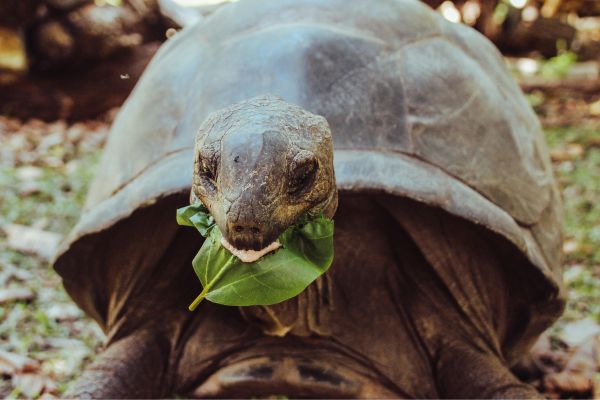
Floreana's history as a stronghold for giant tortoises ended in the 1800s, primarily due to whaling crews using the tortoises as ship provisions and introduced mammals wiping out hatchlings and eggs. After decades where the Floreana giant tortoise (Chelonoidis niger niger) was classified as extinct, fieldwork on remote slopes of Isabela uncovered hybrid tortoises genetically linked to Floreana. The discovery in 2008 reframed extinction as partial displacement—providing genetic material for restoration. If understanding population bottlenecks and genetic rescue is a priority, focus your visit on sites where guides address the backstory of the hybrids and explain how these juveniles might function differently than historic populations. However, expect some interpretation to shift over time as genetic tracking advances and restoration results accumulate.
Why This Matters to Travelers
This moment is about more than reintroducing a symbol; giant tortoises directly modify Floreana's ecosystem as seed dispersers and grazers. In their absence, native vegetation patterns have given way to aggressive invaders like guava and blackberry, which still dominate many slopes. Witnessing tortoise reintroduction means seeing first-hand the recalibration of plant communities and the way animal roles are being laboriously reestablished. If you want to see active ecological processes in motion, prioritize landing sites where tortoise pens or managed grazing zones are visible. Be aware, though, that access to some restoration work can be restricted due to biosecurity or animal welfare protocols, and weather—especially in the garúa (misty) season—can limit visibility and hiking opportunities. If you prefer more established wildlife settings or minimal logistical friction, another Galapagos island may be less restrictive.
Galapagos Cruise Itineraries That Visit Floreana
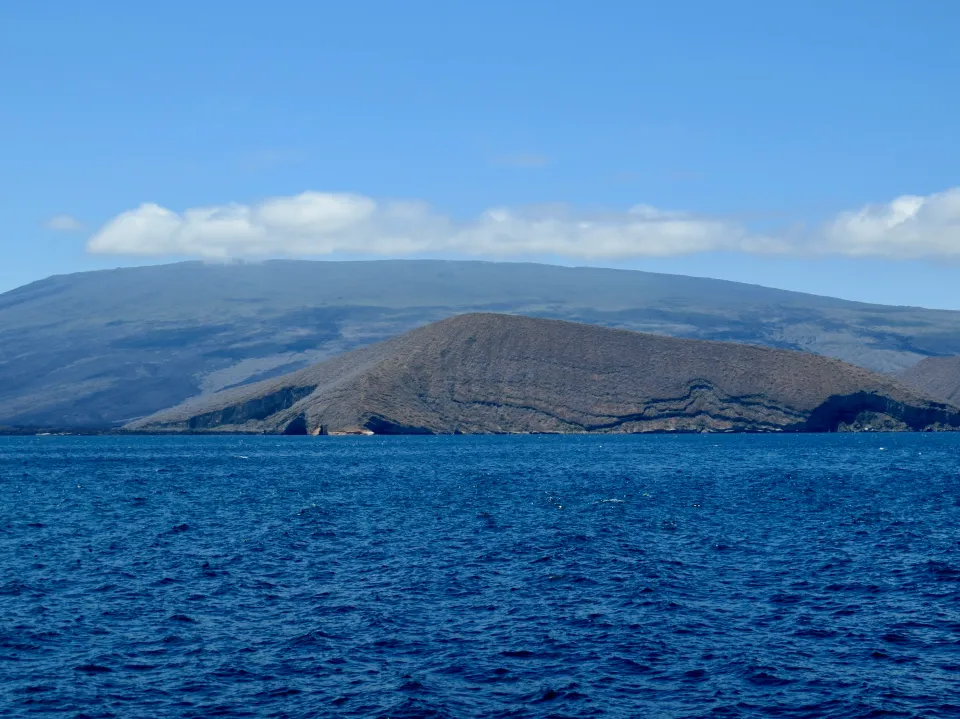
Floreana Island blends history, dramatic volcanic landscapes, and extraordinary marine life. From snorkeling at Devil’s Crown to visiting the legendary Post Office Bay and Baroness Lookout, these curated itineraries offer an immersive way to experience one of the archipelago’s most storied islands while enjoying the comfort of a premium expedition catamaran.
-
Galapagos Elite Cruise: 8-Day Itinerary B – Eastern Islands
An in-depth eight-day journey through the eastern islands, including Floreana’s Cormorant Point, Devil’s Crown, Post Office Bay, and Baroness Lookout, alongside iconic wildlife sites such as Española and Genovesa. -
Galapagos Elite Cruise: 4-Day Itinerary C – Southern Islands
A condensed four-day southern route featuring Floreana’s top visitor sites, combined with Española’s seabird colonies and exceptional snorkeling opportunities.
Context: What Guides Are Explaining
Guided visits delve into the tactics behind the tortoise program, with an emphasis on genetic balancing: juveniles reintroduced to Floreana are selected for their 40% to 80% Floreana ancestry, even though no pure Floreana tortoises remain. This tradeoff—genetic purity versus local adaptation—drives most of the ongoing debate among conservationists. If your main interest is how practical conservation works under complex constraints, look for tours where the guide can point out not only juvenile release points but also ongoing monitoring setups (like tagged tortoises or fenced test plots). Expect some physical demands: restored areas are typically accessed by hikes over uneven volcanic terrain, and wet landings are often required, particularly during swell season, so plan footwear and gear accordingly. Overlooking these planning details might mean missing the most instructive aspects of the current project.
What Changed and Why People Noticed
The visible difference post-2023 stems from the scaling up of both eradication (targeting invasive mammals) and species reintroductions. Twelve native species—ranging from the Galapagos racer snake to several finches and the iconic tortoise—are on the project’s list for potential return. These changes are coordinated by park staff and NGO partners and are continually recalibrated based on field evidence. Travelers paying attention will notice more presence of monitoring teams, signs limiting off-trail exploration, and shifts in interpretive talks as new data emerges. If prioritizing a visit that shows the messy reality of restoration over a polished wildlife showcase, Floreana’s shifting trajectory may be more compelling. On the flip side, be ready for site closures without warning if active management or weather conditions require it; the flexibility to adjust plans on short notice is key.
.jpg?alt=media&token=82ccae2c-7bd6-41f6-ac35-9a1ca1842404)
FAQ - Giant Tortoise Return
What is the significance of the 158 juvenile tortoises released?
This release marks the practical beginning of Floreana’s ecosystem recovery with tortoises as active agents—something not seen here since the 19th century. If you want to observe early stages of rewilding, this is the moment to do so, but expect the process to be subject to setbacks, especially as tortoises adapt to the present landscape.
How does the genetic restoration program work for Floreana's giant tortoises?
The program breeds individuals carrying substantial Floreana genetic markers to incrementally approach the genetics of the extinct population. If you value progress over genetic “purity,” this method is pragmatic—if genetic authenticity trumps other factors in your estimation, consider the limitations of what's possible given the absence of any pure Floreana animals.
What historical factors contributed to the extinction of Floreana's giant tortoises?
Non-native mammals (goats, rats, pigs) devastated hatchling survival and heavily altered the tortoises’ former habitat, while intensive collecting by whalers eliminated adults, making natural recovery impossible even before modern conservation measures were attempted.
What are the expected ecological impacts of reintroducing giant tortoises to Floreana Island?
Bringing tortoises back is expected to restart key ecosystem functions: consuming invasive plants, dispersing seeds of native species, and altering the physical landscape through grazing. If the tortoises establish successfully, native flora and associated wildlife such as ground-nesting birds should also rebound. Recovery will take years, so visitors now will observe initial impacts rather than a fully recovered ecosystem.
Why is Floreana Island considered one of the most damaged ecosystems in the Galapagos?
Due to centuries of human settlement, intensive farming, and repeated introduction of invasive species, Floreana’s native habitats suffered more fragmentation and species loss than almost any other Galapagos island—including complete local extinction of several species. Expect to see restoration efforts as works-in-progress rather than completed successes.
How are conservationists managing the introduction of new species in the Floreana Ecological Restoration Project?
Each proposed reintroduction is staged, with monitoring intervals to check for negative interactions or habitat strain. Expedition routes or land visits may be altered to avoid disturbing new releases or to comply with updated handling protocols. If you prioritize up-to-date context, ask your guide about the current status on the day of your visit.
Situated about 621 miles from mainland Ecuador, Floreana remains one of the Galapagos’s least trafficked inhabited islands, in part because logistical access is less straightforward—requiring pre-arranged landings and willingness to follow site-specific restoration guidelines. Travelers ready for raised biosecurity procedures and curated landing sites—such as Post Office Bay and lagoons where both flamingos and restoration projects overlap—will find direct, interpretive access to the evolving conservation narrative, rather than typical Galapagos wildlife viewing. While you can still encounter marine species like rays and sea lions, the central draw here is observing conservation work woven into every part of the itinerary.
Some Galapagos cruises now include Floreana stopovers tailored to restoration, featuring guiding focused not just on wildlife, but on the scientific and logistical hurdles of managing functional reintroductions. These guided visits usually include early-morning landings to match tide conditions for wet entries, and can require moderate hikes through recently cleared or restored habitat. Missing scheduled landings due to weather or site management is a realistic possibility, so those choosing Floreana should do so with flexibility in mind.
The genetic restoration work provokes ongoing debate, mainly because no pure Floreana tortoises are known to exist; all current releases are hybrids verified by genetic screening. This embraces a real-world compromise, trading strict species authenticity for achievable lineage restoration. For those weighing the merits of hybrid versus purebred animals, Floreana’s example can clarify how conservationists negotiate scientific ideals with what’s physically possible after profound ecological loss. Expect the project to shift as genetic evidence and survival rates are monitored.
Ultimately, the reintroduction of giant tortoises to Floreana represents a live field experiment in rebuilding an ecosystem, requiring adaptive management, deep patience, and active traveler participation in rules designed to limit further damage. For any visitor, scientist, or conservationist, the lesson is clear: progress happens in increments, and real engagement reveals both the obstacles and potential of restoring what was nearly lost to out-migration and extinction.